
Why ESD-Safe Plastics Are Important in Electronics Manufacturing
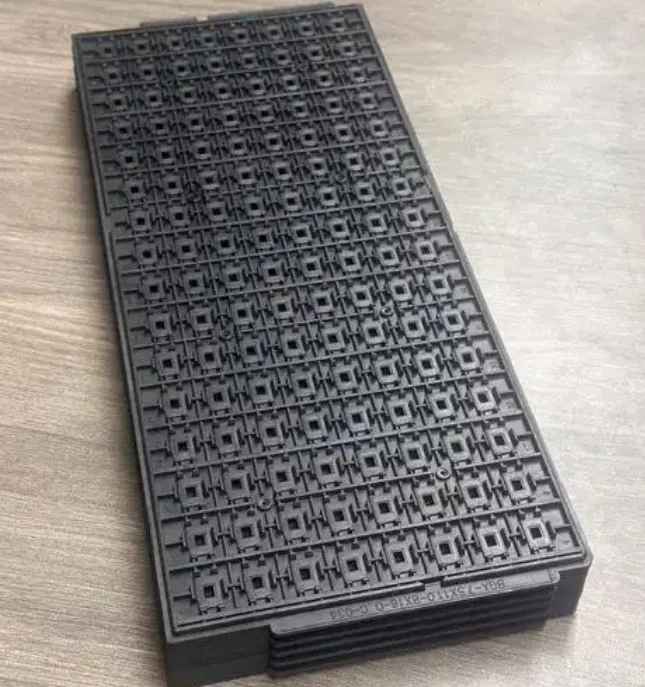
Static electricity is an important concern in electronics manufacturing. During component handling, assembly, testing, and packaging, electrical charges can build up on people, equipment, and plastic surfaces. When these charges discharge unexpectedly, they may damage sensitive electronic components or affect product reliability.
For manufacturers, controlling static electricity is not simply a matter of workplace safety. It is also part of maintaining consistent production quality and reducing unnecessary rework, component failures, and product losses.
How Static Electricity Affects Electronic Components
Many electronic components contain sensitive circuits that can be damaged by electrostatic discharge (ESD). The damage is not always immediately visible. Some components may fail during production, while others may develop latent defects that appear later during operation.
Plastic materials can contribute to static-related problems because conventional plastics generally have low electrical conductivity. Charges may accumulate on their surfaces during friction, separation, handling, or movement through production equipment.
In electronics manufacturing, these issues can affect component trays, protective housings, fixtures, connectors, and material-handling equipment. Appropriate static-control measures help reduce the risk of electrostatic damage throughout the manufacturing process.
Why Manufacturers Use Antistatic and Conductive Plastics
ESD-safe plastics can help manage static electricity in applications where ordinary insulating plastics are unsuitable.
Antistatic materials are designed to reduce the accumulation of static charge. Static-dissipative materials allow electrical charges to dissipate in a controlled manner, while conductive plastics provide a higher level of electrical conductivity for applications requiring charge transfer or electrical conduction.
These materials serve different purposes, so they should not be treated as interchangeable.
For example, antistatic plastic components may be suitable for applications where reducing surface charge accumulation is the primary objective. Conductive engineering plastics may be selected for specialized electronic fixtures, component-handling systems, or housings that require defined electrical properties.
The correct material depends on the application's electrostatic control requirements, component sensitivity, and operating environment.
Choosing the Right Plastic Material for ESD Applications
Material selection should begin with the required electrical performance rather than the material name alone.
Conductive ABS, conductive PA, and conductive PC are possible options for different applications, depending on the formulation and component requirements. Each material offers a different combination of mechanical properties, processing characteristics, and potential electrical performance.
When selecting an ESD-safe plastic compound, manufacturers should consider several factors.
Electrical resistance: Surface resistivity, volume resistivity, or other relevant electrical measurements should match the application requirements. A material described as antistatic does not automatically meet every ESD protection requirement.
Mechanical strength: Components may need to withstand repeated handling, mechanical loads, vibration, or assembly forces. The material must provide adequate strength and durability in addition to the required electrical properties.
Injection molding performance: Modified compounds must be suitable for the intended mold design and processing conditions. Material flow, dimensional stability, shrinkage, and surface quality may affect the final component.
Consistency between batches: Stable material properties are important for manufacturers producing large quantities of electronic components. Material specifications and appropriate testing help verify consistency between production batches.
Operating environment: Temperature, humidity, chemical exposure, and the way a component contacts other materials can influence static behavior and service performance.
Why Material Modification Matters
Standard engineering plastics do not always provide the electrical properties required for ESD-sensitive applications. Material modification can help tailor plastic compounds to specific performance targets.
Depending on the formulation, manufacturers may use conductive or static-control additives, including suitable carbon-based fillers, to modify electrical behavior. However, adding conductive fillers can also influence mechanical properties, material flow, surface appearance, and processing behavior.
This means that material development involves more than achieving a particular electrical resistance. The compound must also meet the component's mechanical, dimensional, and manufacturing requirements.
For custom plastic components, cooperation between the material supplier, product designer, and injection molding team can help identify a suitable balance between electrical performance and production requirements.
What Buyers Should Check When Sourcing ESD-Safe Plastics
Before purchasing antistatic or conductive plastic compounds, buyers should clearly define the intended application and required performance.
Useful information includes the target electrical resistance range, mechanical property requirements, operating temperature, processing method, and any applicable industry or customer specifications.
Buyers should also request relevant material test data and confirm the test methods used. Where compliance with an ESD control standard is required, the material's documented performance should be evaluated against the actual application requirements rather than relying solely on general product descriptions.
For injection-molded components, trial production and testing of the finished part may also be necessary because processing conditions and component geometry can influence final performance.
Developing Plastic Materials for Specific ESD Requirements
Antistatic and conductive plastics play an important role in applications where controlling electrostatic charge is necessary. Selecting the right compound requires a clear understanding of electrical performance, mechanical requirements, processing conditions, and the intended operating environment.
Customized material modification provides manufacturers with an option when standard plastic grades do not meet the required specifications. By evaluating the full set of application requirements, businesses can make more informed material decisions and improve the consistency of their plastic components.
TechInherit provides engineering plastic material solutions for different application requirements. For projects involving antistatic ABS, conductive PA, conductive PC, or other modified engineering plastics, material selection should be based on the required performance targets and verified test results.
Request a Free Design Review
Looking to reduce the cost of your next plastic injection molding project? Contact our engineering team today for a free consultation.
