
Article Content
PA6 GF30 Yellowing Problems: Causes Analysis and Professional Solutions
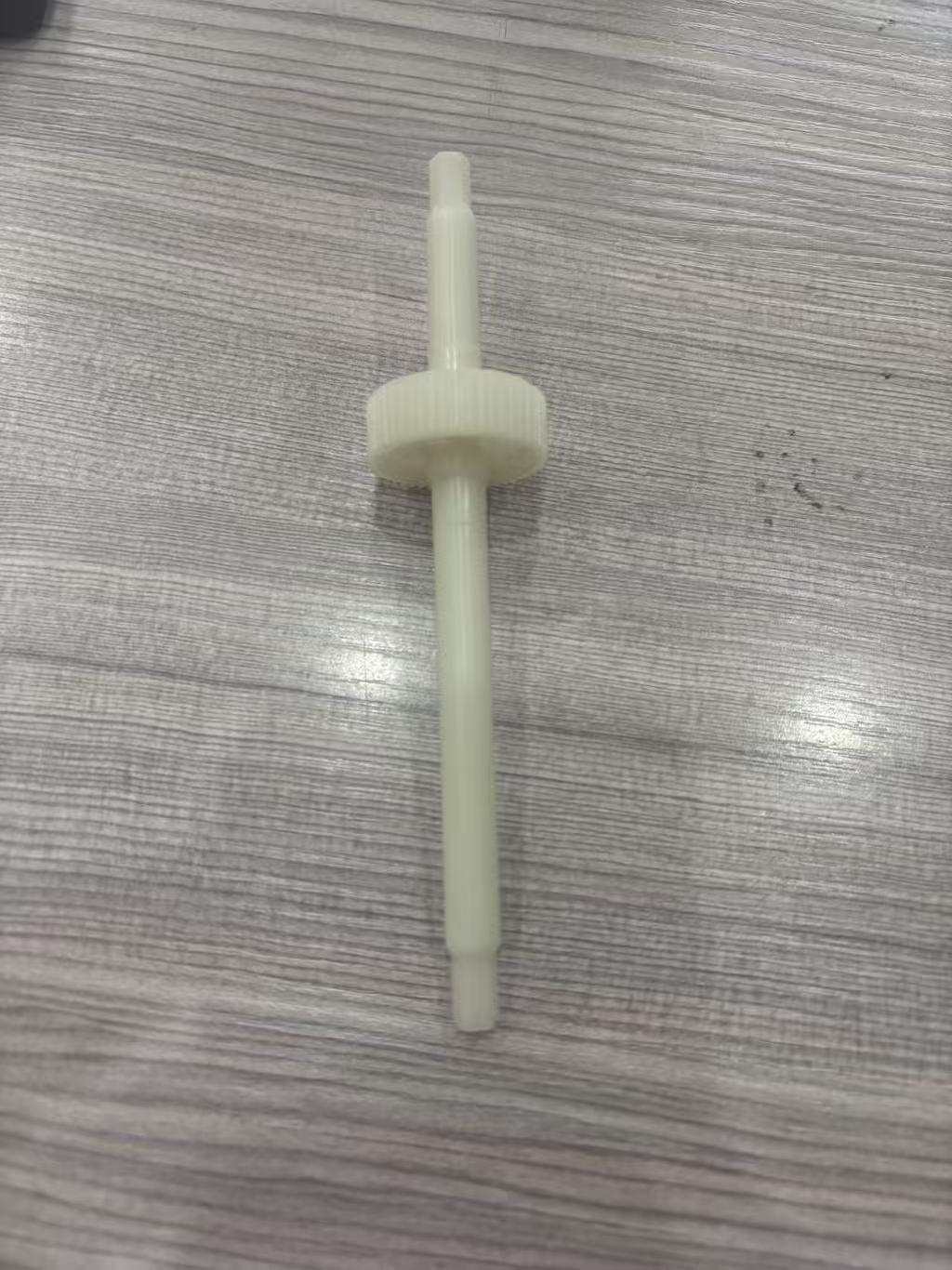
PA6 GF30 (30% glass fiber reinforced nylon 6) is widely used in automotive parts, electrical components, industrial equipment, gears, and structural components because of its excellent strength, heat resistance, and dimensional stability.
However, during injection molding, some manufacturers may encounter a common problem: PA6 GF30 molded parts become yellow or show color differences after production.
This yellowing issue not only affects product appearance but may also indicate material degradation or unstable processing conditions.
Techinherit provides modified nylon material solutions and technical support to help customers solve PA6 GF30 injection molding problems.
1. Main Causes of PA6 GF30 Yellowing
1. Material Thermal Oxidation
PA6 is sensitive to high temperatures during processing.
When the material stays at high temperatures for a long time, molecular chain degradation may occur, causing:
- Yellow appearance
- Reduced mechanical properties
- Color inconsistency
- Increased brittleness
Common causes include:
- Excessive barrel temperature
- Long material residence time
- Overheating during plasticizing
2. Injection Molding Temperature Too High
Incorrect processing temperature is one of the most common reasons for PA6 GF30 yellowing.
If the melt temperature is too high, the nylon material may undergo thermal degradation.
Recommended improvements:
- Reduce barrel temperature gradually
- Avoid unnecessary heating
- Check actual melt temperature instead of only machine settings
For PA6 GF30, injection molding conditions usually require careful control of drying, melt temperature, and mold temperature to maintain stable quality.
3. Excessive Residence Time in Barrel
When the injection machine capacity is too large compared with the product weight, the material may stay inside the barrel for too long.
Long residence time can cause:
- Material discoloration
- Black spots
- Burning smell
- Performance reduction
Solutions:
- Choose a suitable injection machine size
- Reduce plasticizing time
- Purge the barrel before long shutdowns
4. Improper Drying Conditions
PA6 is a moisture-sensitive engineering plastic.
Insufficient drying can cause:
- Surface defects
- Color variation
- Silver streaks
- Material degradation during molding
Recommended:
- Use a dehumidifying dryer
- Control drying temperature and time
- Avoid excessive drying that may affect material color
2. How to Solve PA6 GF30 Yellowing Problems
Solution 1: Improve Material Formula
Techinherit develops customized modified nylon materials according to customer requirements.
Possible improvements:
- Add antioxidant systems
- Improve heat aging resistance
- Optimize glass fiber compatibility
- Enhance color stability
For applications requiring long-term appearance stability, selecting a heat-stabilized PA6 GF30 grade is recommended.
Solution 2: Optimize Injection Molding Process
Recommended adjustment sequence:
Step 1:
Reduce barrel temperature by 5-10℃ and test color changes.
Step 2:
Reduce screw speed and back pressure.
Step 3:
Check material residence time.
Step 4:
Improve mold ventilation.
Step 5:
Confirm raw material drying condition.
3. Applications Requiring Stable PA6 GF30 Performance
PA6 GF30 is commonly used in:
- Automotive components
- Electrical connectors
- Industrial gears
- Power tool parts
- Ergonomic chair components
- Mechanical structural parts
For products such as chair bases, armrests, and structural supports, stable mechanical performance and consistent appearance are important for long-term reliability.
4. Techinherit Modified Nylon Solutions
Techinherit focuses on engineering plastic solutions, including:
- PA6 modified nylon
- PA66 reinforced nylon
- Glass fiber reinforced materials
- Flame retardant nylon
- Customized color nylon compounds
With professional material development and application experience, Techinherit helps customers improve:
✔ Material stability
✔ Injection molding performance
✔ Product appearance
✔ Mechanical strength
✔ Production efficiency
If you are facing PA6 GF30 yellowing, fiber exposure, deformation, or other injection molding issues, contact Techinherit for a customized material solution.
Request a Free Design Review
Looking to reduce the cost of your next plastic injection molding project? Contact our engineering team today for a free consultation.
