
Heat-Resistant Plastics for Electrical Connectors: Long-Term Performance and Validation
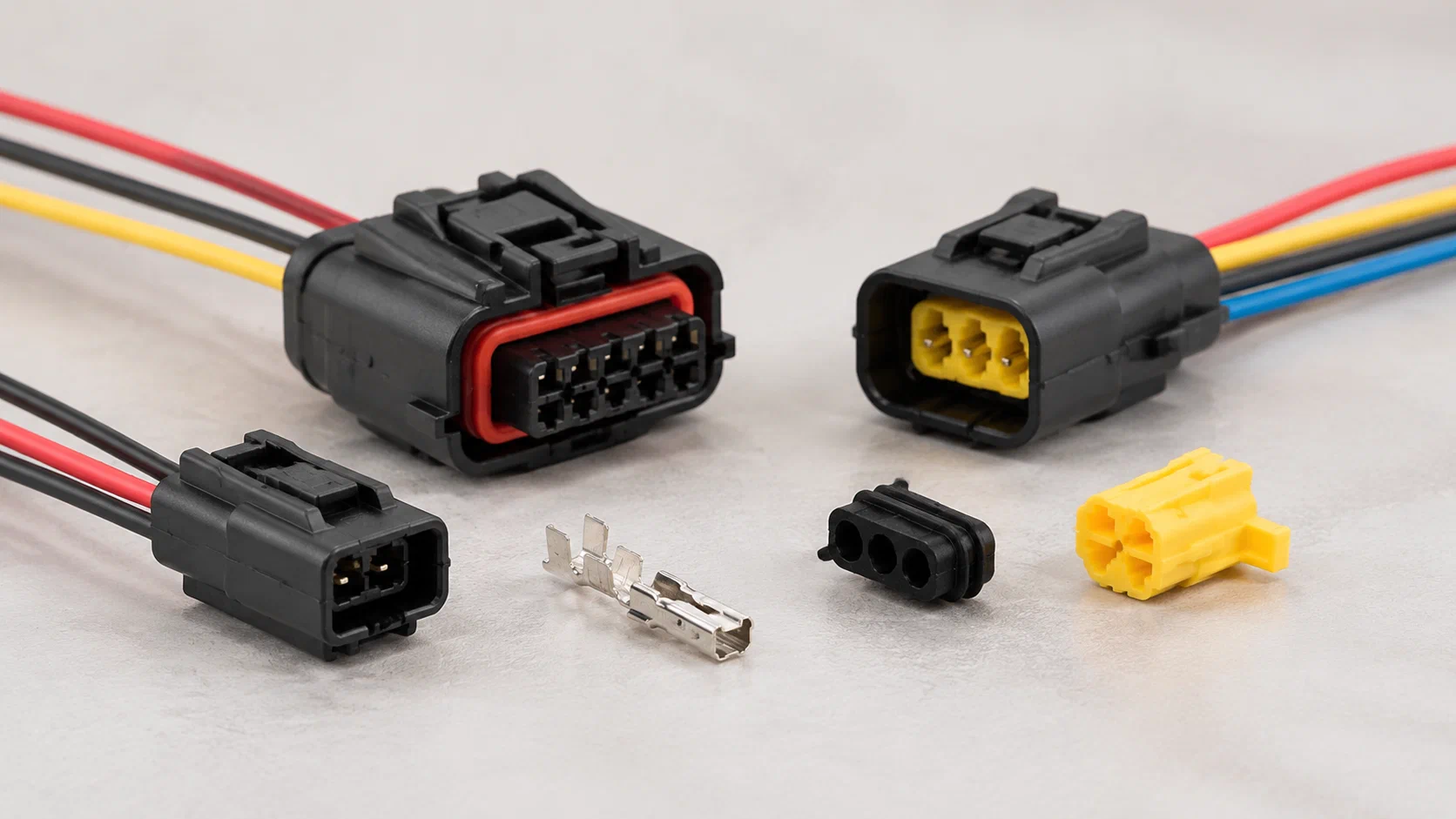
Electrical connectors are exposed to heat generated by electrical current, nearby components, and operating environments. Over time, excessive heat can cause plastic components to lose mechanical strength, deform, or experience reduced electrical insulation performance. Selecting a suitable heat-resistant material is therefore essential for connector reliability.
Material Selection for Electrical Connectors
PA66, PBT, and PPS are commonly used in electrical connector components. Glass-fiber-reinforced PA66 provides good mechanical strength and heat resistance, making it suitable for structural connector parts. PBT offers good dimensional stability and electrical insulation properties, while PPS is often selected for applications requiring higher temperature resistance and chemical stability.
The final choice depends on operating temperature, electrical requirements, mechanical loads, moisture exposure, and component design. Flame-retardant grades may also be required for applications with specific fire-safety requirements.
Long-Term Thermal Performance Validation
A material's short-term heat resistance does not necessarily indicate how well it will perform over years of service. Thermal aging tests evaluate changes in material properties after prolonged exposure to elevated temperatures. Depending on the application, testing may include mechanical strength, impact resistance, electrical insulation, and dimensional stability.
Standards such as UL 746B and the IEC 60216 series provide methods for evaluating the long-term thermal endurance of materials. Engineers should review the data for the exact material grade and confirm that its performance meets the connector's operating requirements.
Improving Connector Reliability
Material selection should be combined with appropriate injection molding conditions and finished-part testing. Moisture absorption, residual stress, wall thickness, and dimensional tolerances can all affect connector performance. Testing the finished component under representative operating conditions helps identify potential problems before mass production.
Request a Free Design Review
Looking to reduce the cost of your next plastic injection molding project? Contact our engineering team today for a free consultation.
