
Beyond Standard Plastics: The Development of Antistatic Material Solutions
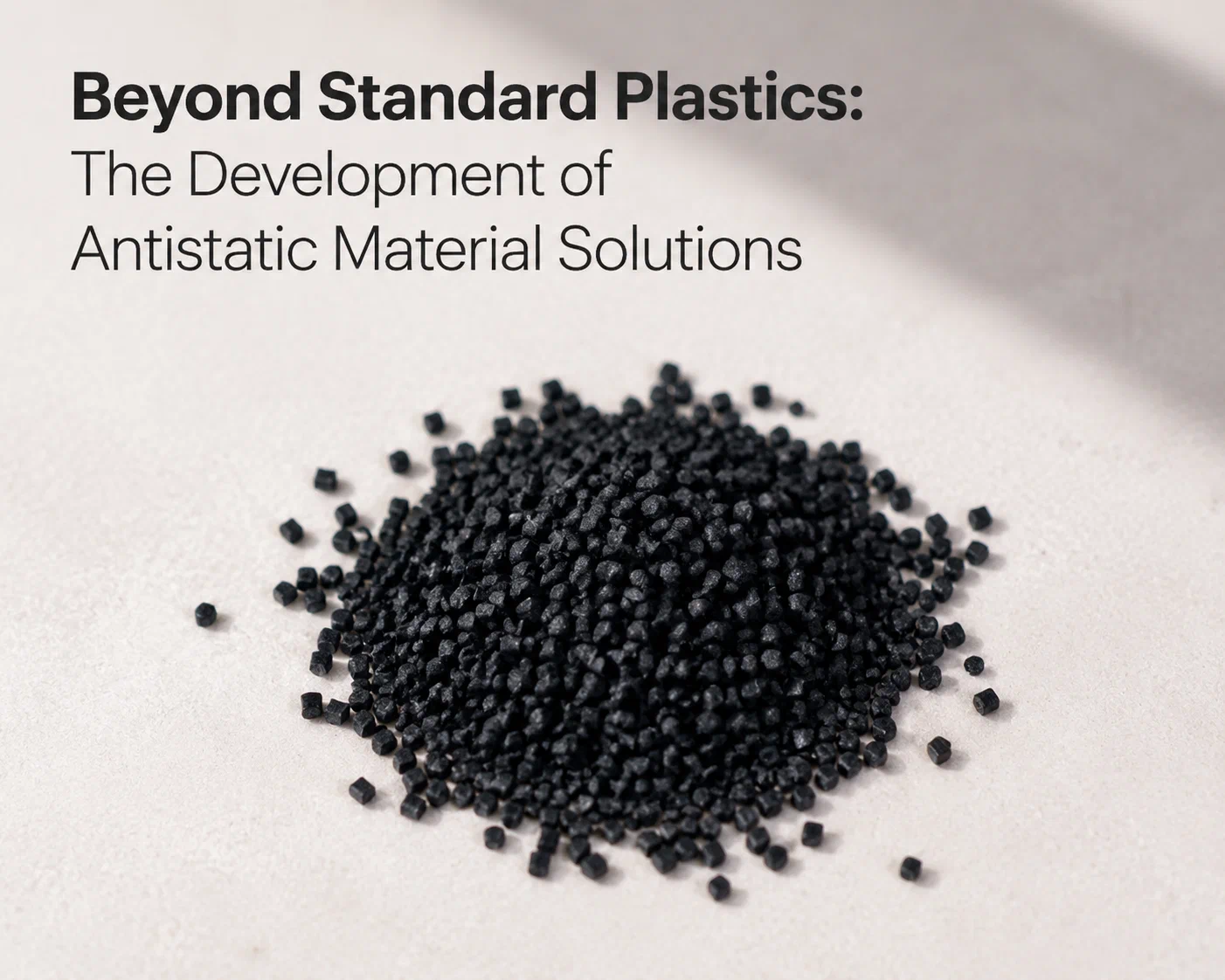
Standard plastic materials are widely used in industrial manufacturing due to their lightweight characteristics, corrosion resistance, and excellent processing flexibility. However, most conventional plastics have high electrical insulation properties, which means they can easily accumulate static charges during production, transportation, or operation.
In many industrial applications, static electricity is more than a simple inconvenience. The accumulation of electrostatic charges can attract dust, affect product cleanliness, interfere with electronic components, and even create potential risks in sensitive manufacturing environments.
These challenges have increased the demand for functional plastic materials that provide better static control performance. Antistatic material solutions have been developed to overcome the limitations of standard plastics while maintaining their advantages in processing and design flexibility.
The development of antistatic plastics focuses on modifying the electrical characteristics of traditional polymer materials. By introducing functional additives or conductive components, engineers can adjust surface resistance and reduce the ability of plastic components to accumulate static charges.
Compared with standard plastics, antistatic materials provide better control over electrostatic behavior. This makes them suitable for applications where product reliability and environmental control are important considerations.
One major application area for antistatic plastic materials is electronic manufacturing. Components used around sensitive electronic devices may require controlled electrical properties to reduce the risk of static discharge. In these situations, traditional insulating plastics may not provide sufficient protection.
Material modification allows engineers to create customized solutions based on different performance requirements. For example, antistatic ABS materials can provide improved static control while maintaining good appearance and processing characteristics. Conductive nylon materials can offer higher mechanical performance combined with electrical functionality for more demanding applications.
The selection of suitable antistatic materials depends on several factors, including required surface resistance, mechanical requirements, operating environment, and manufacturing process. Different applications may require different levels of electrical performance rather than a single universal solution.
In addition to electrical properties, maintaining mechanical strength and durability is also important. Excessive modification of plastic materials may affect toughness, processing performance, or dimensional stability. Therefore, balanced material development is necessary to achieve both static control and reliable physical performance.
Modern material development focuses on creating multifunctional engineering plastics that combine several advantages. A modified plastic material may need to provide not only antistatic performance but also properties such as heat resistance, impact resistance, flame retardancy, or wear resistance.
This approach allows manufacturers to develop plastic components that meet more complex application requirements without replacing plastics with heavier or more expensive materials.
The development of antistatic material solutions represents a shift from traditional material selection toward performance-based material engineering. Instead of choosing standard plastics and adapting product designs around their limitations, manufacturers can optimize materials according to specific application challenges.
Through advanced polymer modification technologies, antistatic plastics continue to expand their applications across electronics, industrial equipment, precision manufacturing, and other specialized fields.
Techinherit provides customized plastic material solutions, including antistatic plastics, conductive materials, modified nylon, and functional engineering plastics. By combining material development experience with manufacturing knowledge, we help customers select suitable materials for different performance requirements.
Request a Free Design Review
Looking to reduce the cost of your next plastic injection molding project? Contact our engineering team today for a free consultation.
