
Material Modification Approaches for Improving Antistatic Performance in Engineering Plastics
Engineering plastics are valued in manufacturing because of their excellent mechanical properties, chemical resistance, and processing advantages. Materials such as PA6, PA66, ABS, and PC are commonly selected for plastic components that require reliable performance under different operating conditions.
However, most conventional engineering plastics have high electrical resistance, which means they can easily accumulate static charges during friction, movement, or contact separation. In applications involving electronic components, precision equipment, and clean manufacturing environments, uncontrolled static electricity may affect product reliability and production stability.
To address these challenges, material modification technologies are used to improve the antistatic performance of engineering plastics. Instead of replacing plastic materials completely, engineers can adjust the electrical characteristics of polymers through targeted modification methods while preserving their original advantages.
One common approach is the addition of conductive or antistatic fillers. Functional additives can create conductive pathways inside the polymer structure, allowing accumulated static charges to dissipate more effectively. The type and amount of additives need to be carefully controlled because excessive fillers may affect mechanical strength, appearance, and processing performance.
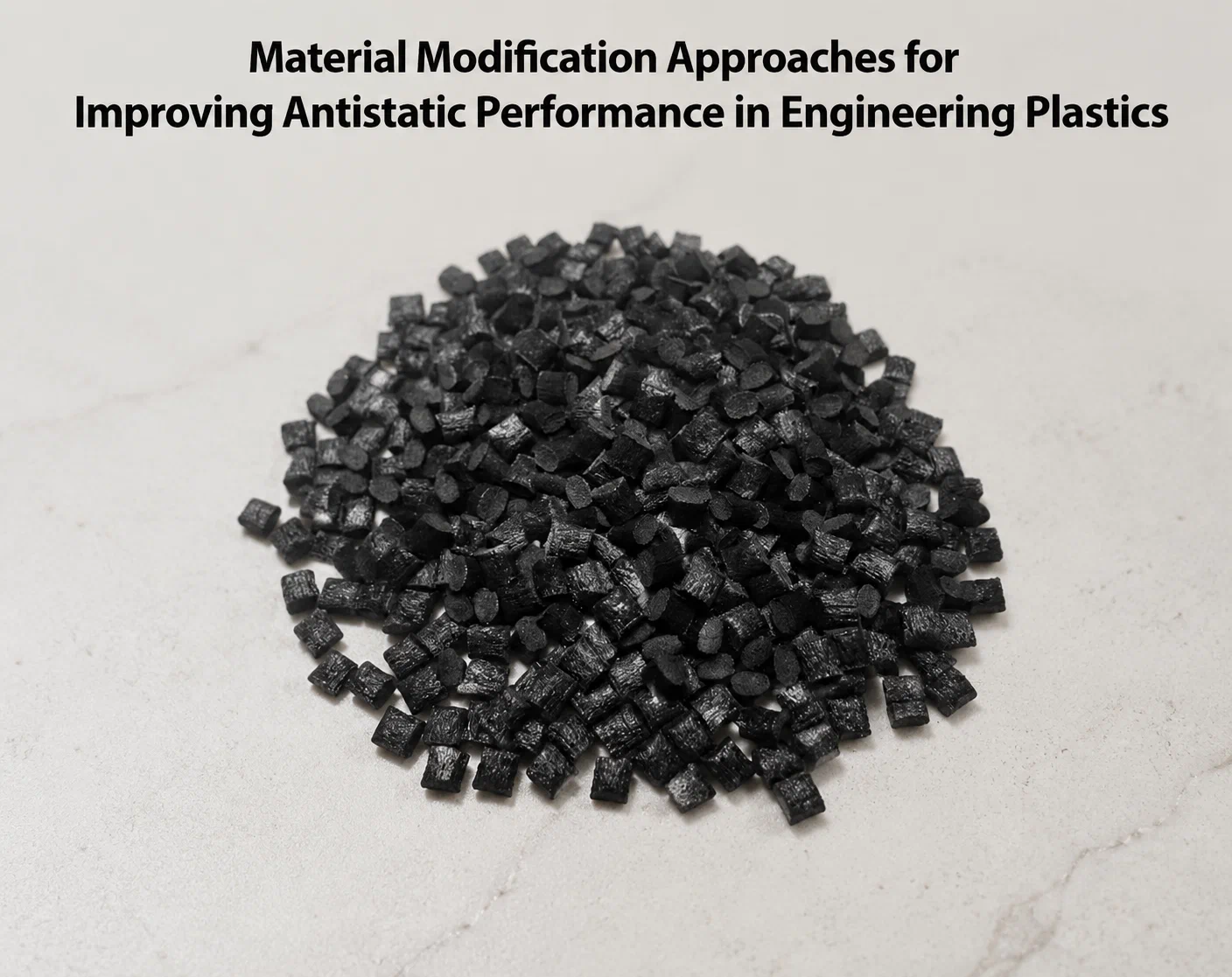
Carbon-based materials are widely used in antistatic plastic modification. Carbon black, carbon fiber, and other conductive fillers can improve electrical conductivity and reduce surface resistance. Different filler systems provide different levels of electrical performance depending on application requirements.
For engineering plastics that require both mechanical strength and static control, material selection and formulation balance are critical. For example, conductive nylon materials can combine the strength advantages of PA6 or PA66 with improved electrical performance, making them suitable for applications where both durability and static protection are required.
Another important factor in antistatic material development is maintaining the original mechanical properties of engineering plastics. Modification should not only focus on reducing electrical resistance but also ensure that the final material maintains sufficient toughness, strength, and dimensional stability.
Material compatibility also plays an important role during modification. Different polymers have different structures and processing characteristics, so additives must be properly selected and distributed within the material system. Poor compatibility may result in reduced performance or inconsistent product quality.
Surface resistance is one of the key indicators used to evaluate antistatic plastic performance. By adjusting material formulations, engineers can develop plastics with suitable electrical properties for different applications, from basic static control requirements to more demanding ESD protection environments.
In addition to conductive fillers, other modification methods can also be applied depending on performance requirements. Antistatic agents, polymer blends, and functional additives can provide alternative solutions for improving static control while maintaining processing advantages.
The injection molding process also influences the final performance of modified engineering plastics. Processing temperature, material drying conditions, mold design, and filling behavior can affect the distribution of functional additives and the consistency of electrical properties in finished components.
A successful antistatic engineering plastic solution requires cooperation between material development and product manufacturing. Understanding the application environment allows engineers to select suitable modification strategies and achieve the right balance between electrical performance, mechanical properties, and production efficiency.
Techinherit provides customized material solutions including antistatic plastics, conductive engineering plastics, modified nylon, and functional polymer materials. Through material optimization and application experience, we help customers develop reliable plastic solutions for different industrial requirements.
Request a Free Design Review
Looking to reduce the cost of your next plastic injection molding project? Contact our engineering team today for a free consultation.
